







Search Results for: Adam Overton

From Documentary Director to Geisha Estate Owner: Adam Overton's Journey of Searching for Geisha's Roots and Cultivation in Ethiopia
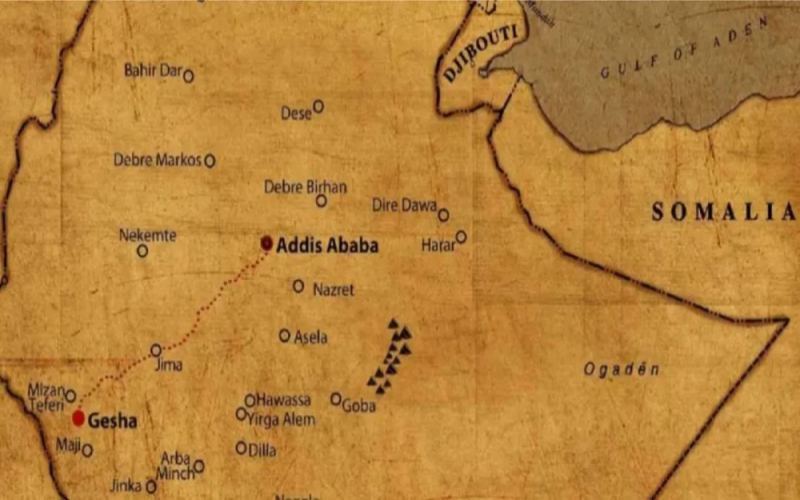
Geisha is now a star variety in the specialty coffee world, but where exactly is its original home? After filming a coffee documentary in Ethiopia, documentary director Adam Overton and his photographer wife Rachel Samuel dreamed of establishing a Geisha estate. They learned from Geisha authority Willem Boot, ventured deep into the Bench-Maji region on Ethiopia's southwestern border, and ultimately found near the Gori Gesha wild forest a variety genetically highly similar to Panama Geisha, and established the Gesha Village Coffee Estate. This article tells the story of this Geisha roots-seeking journey spanning two continents, as well as the flavors and variety future that Front Street Coffee is following. [more…]
From Ethiopian Forests to Cup Flavor: A Comprehensive Analysis of Gesha Village's Variety Origins, Plot Divisions, and Gold/Red Label Chaka Lots
Geisha is one of the most sought-after varieties in today's specialty coffee scene, yet the market is flooded with products labeled "Geisha," while few truly understand its origins and evolution. From the perspective of Front Street Coffee, this article first traces Geisha's spread from the coffee forests of Ethiopia to Panama, and its rise to fame through the BOP auction. It then focuses on the Gesha Village Estate in Ethiopia—recounting how Adam Overton and his wife found the Gori Gesha forest and established the estate, introducing the three varieties Gesha1931, Gori Gesha, and Illubabor and their correspondence with the eight blocks, and finally explaining the grade differences between the auction, Gold Label, Red Label, Green Label, and Chaka lots, along with flavor and purchasing information for Front Street Coffee's three Gesha Village products: Gold Label, Red Label, and Chaka. [more…]
Ethiopia Gesha Village Bench Maji Region: From Forest Heirloom Varieties to Red and Green Label Grading and Flavor Details
Although Geisha coffee became famous in Panama, its roots run deep in the primitive forests of Ethiopia. Documentary director Adam Overton and his wife Rachel Samuel founded the Gesha Village Coffee Estate near the Gori Gesha forest. This is Ethiopia's first coffee origin to adopt estate-style management, and it implements a grading system of Auction, Gold, Red, Green, and Chaka lots. This article traces the spread of Geisha from the Ethiopian forest to Panama, explains in detail the specific meanings of Gesha Village's Red and Green labels, the natural processing method, and the differences between the two varieties Gori Gesha and Geisha 1931, and includes a cupping comparison by Front Street Coffee to give you a systematic understanding of this legendary origin. [more…]
From Ethiopia to Panama: Flavor Differences Between Gesha Village and Panama Geisha, and the Red Label Story
Geisha journeyed from the primitive forests of Ethiopia to Panama, and was then brought back to its homeland by a couple of documentary filmmakers. Under the guidance of Willem Boot, Adam Overton and Rachel Samuel established Gesha Village Coffee Estate in the Bench-Maji region of Ethiopia, rediscovering the wild Gori Gesha forest. This article sorts out the origins and characteristic differences between Ethiopia's Gesha Village and Panama Geisha, explains in detail Gesha Village's grading system of Auction Lots, Gold Label, Red Label, Green Label, and Chaka batches, and retains Front Street Coffee's brewing parameters and flavor descriptions, providing a complete reference for coffee enthusiasts. [more…]
Ethiopia Gesha Village Red Label Geisha: Origin Story, Variety Characteristics, and Brewing Analysis
Geisha coffee made Panama famous worldwide, yet the origin of it all traces back to the primitive forests of Ethiopia. Located in the Bench Maji region, Gesha Village Coffee Estate was founded by documentary filmmaker Adam Overton and his photographer wife Rachel Samuel, who collected seeds from wild Geisha forests and ultimately built this 500-hectare large farm planted exclusively with the Geisha variety. The estate divides its land into 8 blocks, selecting the most suitable variety for each based on microclimate differences. The Red Label Geisha produced here undergoes natural processing, featuring prominent sweetness. Front Street Coffee will this time provide a detailed interpretation centered on the historical origins of Gesha Village Coffee Estate, the differences among its three main varieties, and Front Street's Red Label Geisha roasting and brewing scheme. [more…]

Ethiopia Gesha Village Gold Label Gesha Coffee Flavor Analysis: How Is It Different from Panama Geisha?
Although Geisha coffee is famous for its association with Panama, its roots can be traced back to Ethiopia in Africa. For this review, Front Street Coffee is evaluating a Gold Label Geisha from the Gesha Village Estate in Ethiopia, produced in the Oma block, of the Geisha 1931 variety, and processed using a refined natural method. What exactly are the differences between this African Geisha and its American counterpart? The idea for Gesha Village Estate was first conceived in 2007 by documentary filmmaker Adam Overton and his photographer wife Rachel Samuel. In 2009, inspired by Willem Boot, the owner of Finca骡子, they found the Gori Gesha forest and ultimately established this large 500-hectare farm. The estate's product line is divided into Gold Label, Red Label, Green Label, and Chaka. The Gold Label accounts for only 10% of annual production, with quality second only to the auction lot. This article will present the unique charm of this Gold Label Geisha in full, from the estate's story, variety characteristics, processing methods, and roasting curve to the cupping flavors. [more…]
Geisha 1931 Variety Flavor Analysis and Pour-Over Guide: Detailed Brewing Instructions for Hacienda La Esmeralda Geisha Gold Label Natural
What exactly is the connection between Geisha 1931 and Panama Geisha? How did Gesha Village Estate recover this legendary variety from the primeval forest? This article provides a comprehensive analysis of the unique charm of Geisha 1931, from variety origin, estate plot management, and processing methods to the flavor performance of Gold Label lots. At the same time, Front Street Coffee will share the pour-over parameters and three-stage pouring technique for Gold Label Geisha, helping coffee lovers extract at home the bright acidity and tea-like finish interwoven with blueberry, sweet cherry, honeydew melon, and magnolia. [more…]
Exploring Ethiopia's Bench Maji Gesha Village: The Origin Story, Grading System, and Red Label Pour-Over Guide for Natural Geisha
Located in the Bench Maji region of Ethiopia, Gesha Village Coffee Estate is a name that has attracted much attention in today's specialty coffee circles. This large estate, covering 471 hectares, was gradually established after documentary director Adam Overton and his photographer wife Rachel Samuel conceived the idea in 2007, and in the process of searching for wild Geisha they discovered the Gori Geisha forest. Gesha Village strictly classifies its coffee beans into Auction, Gold, Red, Green, and Chaka lots to satisfy flavor pursuits at different levels. This time, Front Street Coffee has introduced a natural-process lot from Gesha Village and conducted pour-over parameter testing for the Red Label, hoping to use a medium-light roast and three-stage extraction to present the floral aroma and complex fruit notes of Geisha to the greatest extent. This article will sort out the origin of Gesha Village, its grading logic, and provide specific brewing suggestions for coffee lovers' reference. [more…]
Ethiopia Gesha Village vs. Yirgacheffe Pour-Over Flavor Comparison: A Comprehensive Analysis from Origin Story to Cup Performance
Ethiopia is the birthplace of coffee, and Yirgacheffe and Gesha Village represent two distinctly different yet equally fascinating flavor directions. Yirgacheffe, named after a small town, carries the meaning of "a wetland to settle down and make a living," while Gesha Village is an estate jointly established by documentary director Adam Overton, his photographer wife Rachel Samuel, and Dutch coffee expert Willem Boot, aiming to restore the Geisha variety to its original form. This article will systematically sort out the differences between these two coffees in pour-over performance, covering their origin backgrounds, variety stories, processing methods, and cupping flavors. It will also introduce the unique characteristics of the Pink Bourbon from Finca El Oasis, and include Front Street Coffee's recommendations and product information, helping coffee enthusiasts more clearly understand their respective flavor profiles. [more…]

Comparing Product Lines from Gesha Village Estate: A Full Analysis of Flavor Differences Between Auction Lot, Gold Label, Red Label, Green Label, and Chaka
Located in Bench Maji, Ethiopia, Gesha Village Coffee Estate was established by Adam Overton after venturing deep into ancient forests to search for seeds between 2007 and 2011. The estate is internally divided into multiple product lines: Auction, Gold, Red, Green, and Chaka, each with clear differences in variety selection, production proportion, screening standards, and flavor presentation. Front Street Coffee will guide you through the three varieties grown at Gesha Village Coffee Estate—Gesha 1931, Gori Gesha, and Illubabor Forest 1974—and break down in detail the definitions and cup profiles of each product line, helping you find the Ethiopian Gesha that best suits your taste. [more…]
Flavor Characteristics and Brewing Guide of Ethiopian Gesha Village Gesha Gori Natural Heirloom Coffee Beans
Gesha Village Coffee Estate, located in the Bench Maji zone of Ethiopia, is a green coffee brand that has attracted much attention in the specialty coffee world in recent years. Its naturally processed Gori Gesha landrace, with its unique floral and fruity aroma and delicate mouthfeel, has become highly sought after by many coffee enthusiasts. This article will guide you through the founding background of Gesha Village Coffee Estate, the discovery journey of the Gori Gesha forest, the estate's strict quality control system and processing methods, and provide an in-depth analysis of this coffee's green bean characteristics, roasting curve, and cupping flavor performance. At the same time, Front Street Coffee will also share brewing suggestions and parameters for this Gesha to help you better present its multi-layered flavor charm at home. [more…]
Tracing the Origins of Gesha Village: An Analysis of the Geisha Variety and Flavor Characteristics of Ethiopia's Gesha Village
Geisha is now a star variety in the specialty coffee world, but its roots actually lie deep in the primeval forests of southwestern Ethiopia. This article begins with the history of Geisha's discovery, tracing how it traveled from the Kafa forest through many countries, eventually rose to fame in Panama, and then returns to the journey of Adam Overton and his wife in establishing the Gesha Village Coffee Estate in the Bench Maji region. The article also provides a detailed introduction to the three varieties currently grown at Gesha Village: Geisha 1931, Gori Gesha, and Illubabor 1974, as well as the essential differences in variety between Gesha Village and Panama Geisha. Finally, it presents Front Street Coffee's red-label Geisha brewing flavor description, helping enthusiasts gain a more comprehensive understanding of the origins and development of this legendary producing region. [more…]
The Mystery of Geisha's Origins: Tracing the Variety from Ethiopian Forests to Gesha Village Estate
Geisha coffee has become a favorite among countless coffee enthusiasts thanks to its alluring flavors, yet many people still have only a vague understanding of this variety's origins and the path of its spread. This article, drawing on materials consulted by Front Street Coffee, sorts out the complete journey of Geisha—from being collected in Ethiopian forests in the 1930s, to passing through Tanzania and Costa Rica, and finally dazzling the world at Hacienda La Esmeralda in Panama. At the same time, we will also take an in-depth visit to Ethiopia's Gesha Village Coffee Estate, to learn about the origins of its founding, the discovery stories of its three major varieties—Gesha1931, Gori Gesha, and Illubabor—as well as the estate's plot divisions and lot grading system. At the end of the article, Front Street Coffee has also selected three Gesha Village coffees for enthusiasts to compare and taste. [more…]
Ethiopia Gesha Village Golden Label Geisha: Oma Block Natural Flavor and Cupping Performance
When Geisha is mentioned, most people first think of Panama, but the roots of this legendary variety actually lie in Ethiopia. Front Street Coffee recently tested a Gold Label lot from Gesha Village, produced on the Oma block, of the Geisha 1931 variety, using a refined natural process. Gesha Village was founded around 2009 by Adam Overton and Rachel Samuel, who established the farm after finding wild Geisha in the Gori Gesha forest, and it is one of the rare large estates that grows only the Geisha variety. This article will present a complete picture of this African Geisha's performance and flavor profile, from the estate's history, variety classification, and the flavors of its eight blocks, to the Gold Label grade, natural process, roasting curve, and cupping and brewing. [more…]

Exploring Ethiopia's Gesha Village Estate: The Origins, Grading System, and Full Flavor Analysis of Wild Geisha
When it comes to Geisha, most people first think of that cup of floral tea with rose aromas and citrus notes from Hacienda La Esmeralda in Panama. However, in the Bench Maji region of Ethiopia, there hides another estate famous for its native wild Geisha — Gesha Village. It was founded in 2011 by documentary filmmaker Adam Overton and his photographer wife Rachel Samuel, and boasts a strict grading system and a complete flavor traceability system. This article will take you deep into the discovery journey of Gesha Village, the grading standards for the Auction/ Gold/ Red/ Green/ Chaka lots, processing details, and block divisions, along with Front Street Coffee's brewing parameters and flavor descriptions for the Gold, Red, and Chaka lots, providing coffee lovers with a comprehensive guide to Gesha Village. [more…]
Exploring the Origins of Ethiopia's Gesha Village Estate: Did the Geisha Variety Originate in This Primitive Forest?
Geisha coffee is now popular all over the world, but where exactly are its roots? Gesha Village Coffee Estate in Ethiopia was co-founded by American documentary director Adam Overton and Ethiopian photographer Rachel Samuel, with the assistance of Dutch coffee professional Willem Boot, and in the Bench Maji region they found the original forest that shares the same origin as Panamanian Geisha. The estate grows only the Geisha variety and has established a strict grading system of Auction, Gold, Red, Green, and CHAKA. This article will provide a complete overview of the origins of Gesha Village Coffee Estate, its variety composition, plot divisions, and the characteristics of each grade, and will also share the cupping flavors and brewing suggestions of several Geisha coffees from Front Street Coffee. [more…]
A Detailed Explanation of the Coffee Grading System at Gesha Village Estate: A Full Analysis of Auction, Gold, Red, Green, and Chaka Lots
In 2005, Panama's Hacienda La Esmeralda won the Best of Panama competition with the Geisha variety, setting a world record at $21 per pound and making Geisha famous ever since. Tracing its origins, this variety was first discovered in the Gesha region near the Kaffa forest in southwestern Ethiopia. In 2007, director Adam Overton and his photographer wife Rachel Samuel discovered the Gori Gesha forest while filming a coffee documentary, and later partnered with Willem, the owner of Panama's El Burro estate, to establish the 500-hectare Gesha Village Coffee Estate in the Bench Maji region in 2011. The estate cultivates three varieties — Geisha 1931, Gori Gesha, and Illubabor — divided into eight blocks, and drawing on the experience of renowned Panamanian estates, grades its coffee into five tiers: Auction, Gold, Red, Green, and Chaka. This article will analyze the characteristics and grading criteria of each tier one by one, giving you an in-depth understanding of this legendary estate's coffee grading system. [more…]
A Comprehensive Analysis of Gesha Village Estate Traceability and Label Grades: Differences Between Auction, Gold, Red, Green Labels, and Chaka Lots
Geisha coffee's popularity in the specialty circle endures, but many enthusiasts easily confuse the products of Panama's Hacienda La Esmeralda with those of Ethiopia's Gesha Village. Starting from historical origins, this article traces how Gesha Village was conceived by documentary director Adam Overton and his wife Rachel Samuel in 2007 during a filming trip, and how, under Willem Boot's guidance, they found native varieties in the Gori Gesha forest of Bench Maji. The article explains in detail the estate's five-tier grading standards—Auction, Gold, Red, Green, and Chaka—along with the microclimates and variety differences of each block, and includes Front Street Coffee's comparison of the roasting and brewing flavors of three beans: Red, Green, and Chaka, helping readers understand the Gesha Village system at a glance. [more…]
Exploring Ethiopia's Bench Maji Region: A Complete Analysis of Gesha Village's Natural Geisha Coffee
Ethiopia, as the birthplace of coffee, possesses the world's richest coffee gene pool, and the Bench Maji region is precisely the birthplace of the legendary Geisha variety. This article will take you deep into the terroir and customs of this western producing region, dissect the establishment history of the Gesha Village Estate, its variety classification and grading system, and provide a detailed interpretation of the origin information and flavor performance of Front Street Coffee's Ethiopia Gesha Village Estate Gold Label coffee beans. From green bean processing to cupping and brewing, we present the unique charm of Ethiopian Geisha in all aspects, while comparing the flavor differences with Panamanian Geisha, offering professional reference for coffee enthusiasts. [more…]
Flavor Differences Between Hacienda La Esmeralda Red Label and Green Tip Geisha, and a Pour-Over Guide for Panama and Ethiopian Geisha
Geisha coffee has become a star in the specialty coffee world thanks to its unique floral aroma and juicy character, and Panama's Hacienda La Esmeralda and Ethiopia's Gesha Village are its two core origins. Hacienda La Esmeralda grades its coffee into Red Label, Green Label, and Blue Label based on altitude and cupping scores; among these, Red Label Geisha is selected from high-altitude plots at 1,600–1,800 meters and, after natural processing, presents rich layers of rose, citrus, and honey. Gesha Village, meanwhile, has replicated the wild varieties of the Gori Gesha forest and established a strict grading system. The Red Label Geisha recommended by Front Street Coffee comes from Hacienda La Esmeralda's Mansa plot, is naturally processed, and has a full, sweet flavor. This article will explain in detail the differences between Red Label and Green Label Geisha, the grading systems and processing methods of the two estates, and include pour-over recommendations. [more…]